Endometriosis and Adenomyosis: A Guide to Pain Relief
Some months, the pain starts before the bleeding. Your lower abdomen feels heavy. Your back tightens. Sitting through work becomes hard, exercise drops off, and sex may start to feel tense or impossible. Then someone says, “Maybe you just have bad cramps.”
That kind of dismissal is common. It is also one reason many people spend years trying to function around symptoms that deserve proper evaluation.
Two conditions often sit behind this pattern: endometriosis and adenomyosis. They are related, they can overlap, and they are easy to confuse. They can also affect daily life in very different ways, from heavy bleeding and deep pelvic pain to bowel discomfort, bladder symptoms, painful intercourse, and fertility challenges.
Endometriosis is not rare, and its prevalence highlights a significant diagnostic gap. The World Health Organization estimates that endometriosis affects 10% (190 million) of reproductive-age women worldwide, yet health insurance companies estimate less than 1% of people who menstruate have endometriosis, which points to a major diagnostic gap and ongoing underdiagnosis and misdiagnosis (World Health Organization endometriosis fact sheet).
If you have been told your symptoms are normal, or if you have a diagnosis but still feel confused about what it means, clear language helps. So does knowing that treatment is not limited to hormones or surgery. Conservative care, including pelvic floor physical therapy, can play an important role in reducing pain, improving movement, and helping you feel more at home in your body again.
What if Pelvic Pain Is Not Just Cramps
You wake up on day one of your period and already know the schedule for the day might fall apart. You pack pain medication, extra underwear, a heating pad, and the quiet fear that you may need to cancel plans. By afternoon, the pain is not just in the center of your pelvis. It wraps into your hips, your low back, maybe even down your legs.
For some people, that pain shows up only with periods. For others, it lingers between cycles. Sex hurts. Bloating makes pants feel unbearable. A bowel movement or a full bladder can trigger a sharp, alarming ache.
That experience is often labeled as “bad periods,” but sometimes the body is signaling something more specific. Endometriosis and adenomyosis are two common reasons pelvic pain feels bigger, heavier, and more disruptive than ordinary cramping.
When pain patterns stop feeling normal
A few signs tend to make people pause:
- Pain that interrupts life. Missing work, school, workouts, or social events because of bleeding or pelvic pain.
- Symptoms that spread. Pain with sex, bowel movements, urination, sitting, or exercise.
- A sense of pressure or heaviness. Some people describe it as a bowling ball feeling in the pelvis.
- Symptoms that are cyclical but not predictable. The calendar suggests one thing, but the body does another.
None of those experiences automatically means you have endometriosis or adenomyosis. But they do mean your symptoms deserve more than reassurance and a shrug.
If your body repeatedly forces you to reorganize your life around pain, that is useful clinical information. It is not overreacting.
Why confusion is so common
These conditions can exist separately or together. They can also mimic other problems, including irritable bowel symptoms, bladder pain, muscle spasm, and general “pelvic floor tension.” That overlap is why many people end up with partial answers.
One clinician focuses on bleeding. Another focuses on fertility. Another focuses on bowel symptoms. Meanwhile, no one connects the full picture.
A better approach starts with a simple question: is the pain coming only from the menstrual cycle, or has the cycle also changed the muscles, nerves, and tissues around the pelvis? That is where a pelvic floor perspective becomes helpful. Even when hormones or surgery are part of care, the muscles and connective tissues often need their own treatment too.
Defining Endometriosis and Adenomyosis
The easiest way to separate these two conditions is to picture the uterus as a house.
The endometrium is like the wallpaper lining the inside of that house. Each cycle, that lining responds to hormones.
With endometriosis, tissue similar to that lining grows outside the uterus. With adenomyosis, tissue grows into the muscular wall of the uterus.
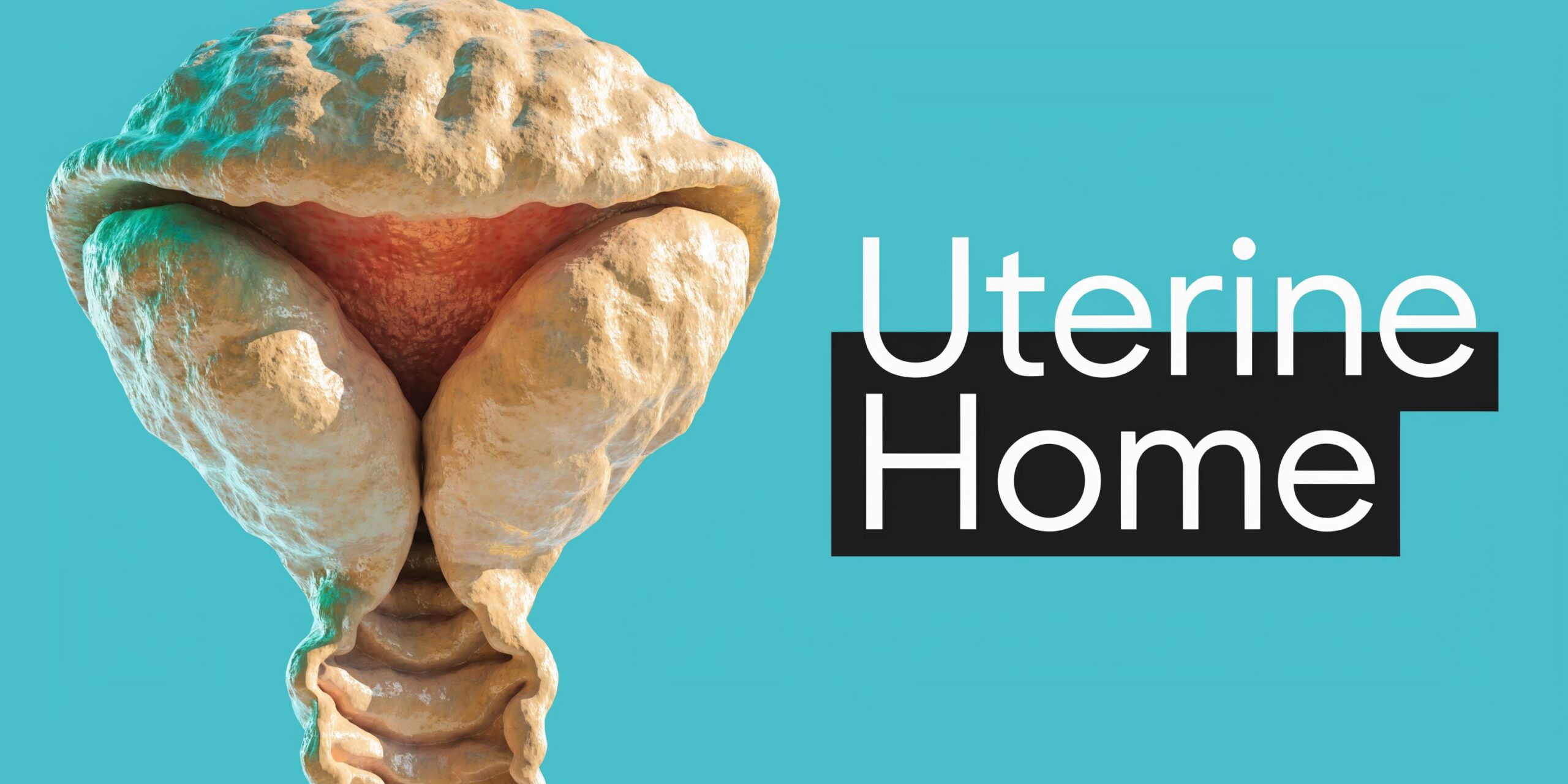
The house and wallpaper analogy
Think of the uterus as a small room with wallpaper on the inside.
- In endometriosis, the wallpaper somehow ends up on the outside walls, in the yard, and sometimes attached to nearby structures. It does not belong there, but it still reacts to the hormonal rhythm of the cycle.
- In adenomyosis, the wallpaper burrows into the drywall itself. The wall becomes irritated, thicker, and less comfortable to live in.
That difference in location matters because it changes how symptoms show up.
What endometriosis means in plain language
Endometriosis involves tissue similar to the uterine lining appearing outside the uterus. It may involve areas around the ovaries, bowel, bladder, or deeper pelvic spaces.
When that tissue reacts over time, it can trigger inflammation and contribute to scar tissue. Pain may feel sharp, deep, pulling, or tied to certain activities.
People often get confused here because the name sounds like it should mean “inside the uterus.” It does not. Endometriosis is defined by location outside the uterus.
What adenomyosis means in plain language
Adenomyosis happens when tissue grows into the uterine muscle itself. Instead of sitting on the inner surface where it belongs, it is embedded in the wall.
That can make the uterus feel more tender, more crampy, and sometimes heavier. Many people with adenomyosis describe a more diffuse ache rather than one precise painful spot.
A quick side by side view
| Condition | Where the tissue is | Common way people describe it |
|---|---|---|
| Endometriosis | Outside the uterus | Deep pelvic pain, pain with sex, bowel or bladder symptoms, pain that may feel localized |
| Adenomyosis | Within the uterine muscle | Heavy bleeding, strong cramping, uterine tenderness, pressure, a fuller or boggy feeling |
Why they can overlap
These are distinct diagnoses, but they often travel together. That is part of why one person may have heavy bleeding, deep pelvic pain, painful sex, and fertility concerns all at once.
When both are present, the body is dealing with more than one source of irritation. The uterus may be generating pain from within its own wall, while surrounding tissues and organs may also be affected. Then the pelvic floor muscles react to all of it.
A helpful rule of thumb is this. Endometriosis is outside the uterus. Adenomyosis is in the uterine wall. If you remember that, the rest becomes easier to understand.
Comparing Symptoms and Diagnostic Pathways
Two people can describe nearly identical pain and still have different diagnoses. One reason is that endometriosis and adenomyosis share many symptoms.
They can both cause period pain, pelvic aching, painful intercourse, and fertility concerns. But the pattern, the texture of the pain, and the clues on exam or imaging can differ.
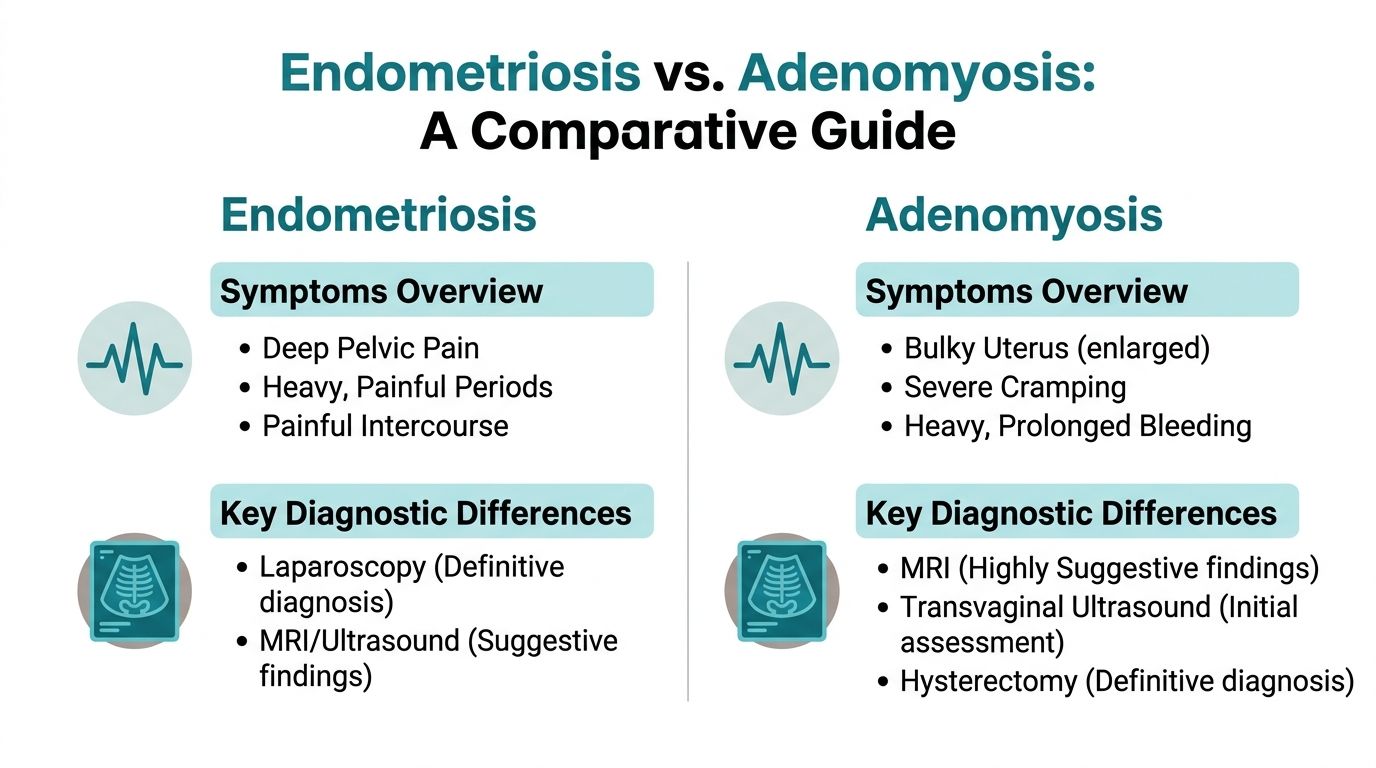
Where symptoms overlap
Both conditions can contribute to:
- Severe menstrual pain that feels out of proportion to a typical cramp pattern
- Chronic pelvic pain that may continue between periods
- Painful intercourse, especially with deeper penetration
- Fertility challenges
- Fatigue and activity limits because pain keeps recurring
This overlap is why many patients feel uncertain even after hearing one diagnosis. They may still wonder why symptoms do not fully match what they have read online.
Clues that lean more one way or the other
Some features make clinicians think more strongly about adenomyosis. Others raise suspicion for endometriosis.
Adenomyosis often raises concern when someone has:
- Heavy or prolonged bleeding
- Strong, uniform cramping
- A tender, enlarged, or “bulky” uterus
- A sense of internal pelvic pressure
Endometriosis often raises concern when someone has:
- Pain that feels tied to specific locations
- Pain with bowel movements or bladder filling
- Deep pain with sex
- Symptoms that suggest tissue may be affecting structures outside the uterus
These are patterns, not hard rules. A person with adenomyosis can still have pain with sex. A person with endometriosis can still have heavy bleeding.
How diagnosis usually unfolds
A diagnosis rarely comes from one single moment. More often, it builds from several layers of information.
History and physical exam
A strong history matters. A clinician will want to know when pain starts, what makes it worse, whether bleeding has changed, and how symptoms affect work, sleep, intimacy, movement, and fertility.
A pelvic exam may identify muscle guarding, tenderness, uterine sensitivity, or signs that the pelvic floor itself has become part of the problem.
Imaging for adenomyosis
Imaging can be especially helpful when adenomyosis is suspected. In adenomyosis diagnosis, transvaginal ultrasound shows 81% sensitivity and 87% specificity, while MRI shows 71% sensitivity and 91% specificity (adenomyosis imaging review).
That tradeoff matters in real life.
- TVUS is often a practical starting point. It can identify suggestive uterine changes and is commonly used early in the workup.
- MRI is less sensitive in that data set but more specific. It can better assess junctional zone thickness and help distinguish diffuse adenomyosis, which is more common in older multiparous women, from focal adenomyosis, which is linked with deep endometriosis and infertility in younger women.
Why doctors may order one scan instead of another
If a clinician suspects a straightforward uterine issue, ultrasound may be enough to begin. If the case is more complex, especially with fertility concerns or suspected overlap with deep disease, MRI can help refine the picture and guide treatment planning.
Imaging is not just about naming a condition. It helps the care team understand how the condition is behaving in your body.
A common point of confusion
Many patients assume a normal early scan means “nothing is wrong.” That is not always true. Imaging can support diagnosis, but symptoms, exam findings, and clinical judgment still matter.
That matters even more when pain has already taught the pelvic floor to stay tense. A scan may explain part of the story. Your muscles, nerves, and movement patterns explain another part.
Why Do Endometriosis and Adenomyosis Hurt So Much
Pain from endometriosis and adenomyosis is not “just hormones” and it is not imagined. These conditions can affect tissue, organ mobility, muscle tone, and the nervous system at the same time.
That layered effect is why pain can feel confusing. It can ache, stab, burn, cramp, pull, or linger long after the original trigger should have passed.
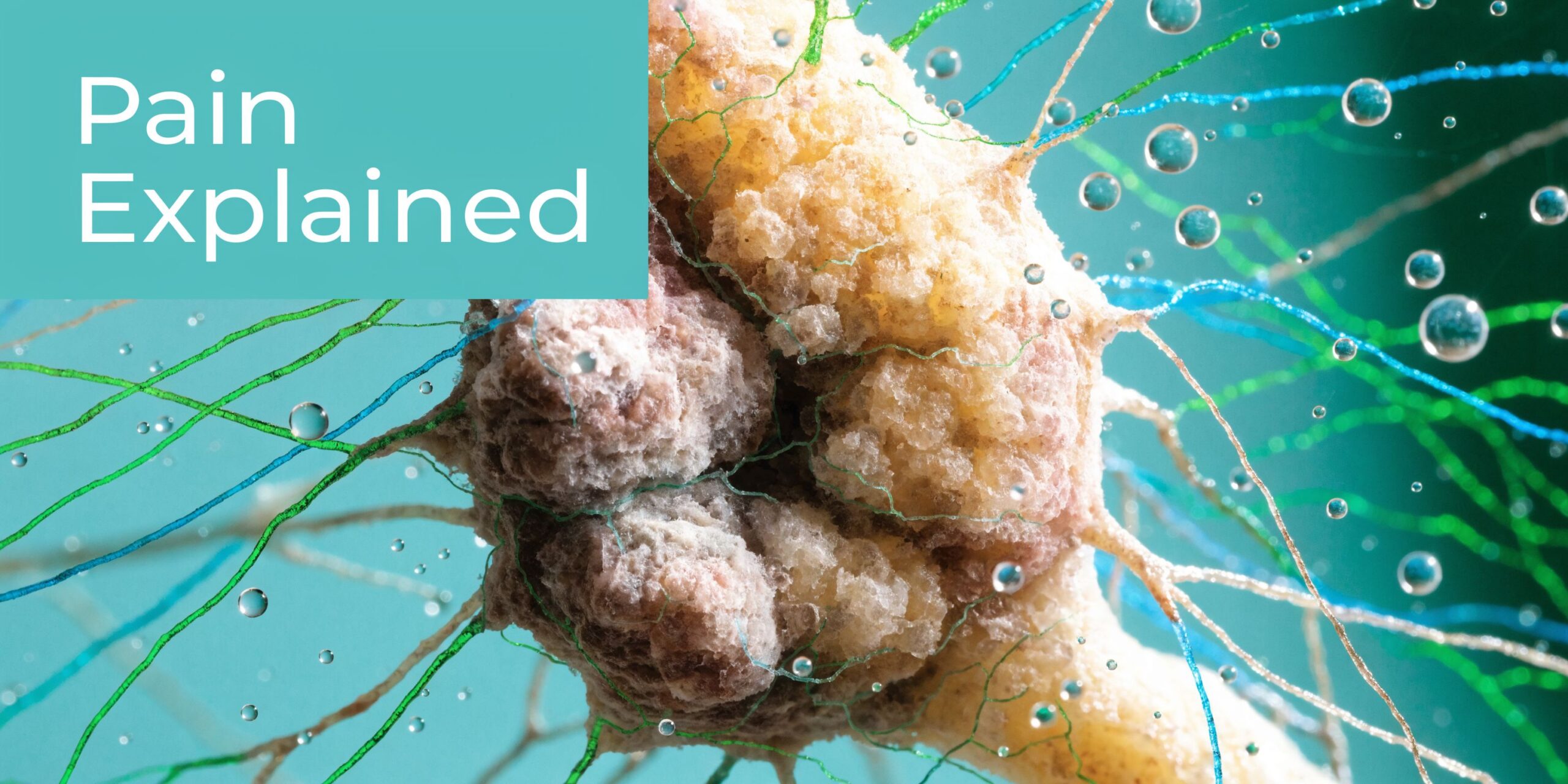
Endometriosis pain from the outside in
Endometriosis often hurts through a few overlapping mechanisms.
Inflammation is one. Tissue in the wrong place can irritate surrounding structures and create a persistent inflammatory environment.
Adhesions are another. Scar tissue can act like sticky webbing between structures that are supposed to glide. When you move, have a bowel movement, exercise, or have sex, those tissues may pull against each other.
Nerve irritation adds another layer. Some people feel pain that is sharp, electric, zinging, or radiating. That can happen when irritated tissue sits near sensitive nerve pathways.
Adenomyosis pain from within the uterine wall
Adenomyosis tends to create pain from the inside of the uterus itself. The uterine muscle becomes affected, and many people feel intense cramping, pressure, and a bruised or boggy sensation.
The uterus is not just a passive organ. It is muscular tissue. When that tissue is irritated, enlarged, or structurally altered, contractions can become more painful and the entire pelvis may react.
A useful plain-language explanation of uterine spasm can help connect those sensations to the body’s mechanics. This overview on https://lakecitypt.com/uterus-muscle-spasm/ describes why uterine muscle behavior can contribute to pelvic pain patterns.
Fertility can be part of the symptom story
For some patients, pain is only part of what brings them into care. Fertility concerns may be part of the same picture. Women with obvious adenomyosis on 3D ultrasound had 23.8% miscarriage rates compared with 6.3% in controls, which highlights how structural and molecular disruption can affect reproductive outcomes (adenomyosis and endometriosis fertility overview).
That does not mean everyone with adenomyosis will face miscarriage. It does mean the condition can affect more than comfort. It can influence how the uterus functions.
When the nervous system turns the volume up
Pain that repeats month after month can teach the nervous system to become more protective. This is often called central sensitization.
In simple terms, the alarm system gets better at sounding the alarm. Muscles tighten faster. Touch feels more threatening. Penetration may hurt even when there is no new tissue injury in that moment.
Signs this may be happening include:
- Pain that lingers after the original trigger has passed
- Pelvic floor guarding during exams, sex, or bowel movements
- Sensitivity to pressure in the lower abdomen, hips, inner thighs, or vulvar area
- A body that feels braced, even at rest
Chronic pelvic pain often starts with tissue irritation, then continues because muscles and nerves learn to stay on high alert.
That is why treatment cannot focus only on the lesion or only on the uterus. In many people, the muscular and nervous system response becomes part of the condition itself.
A Full Spectrum of Treatment Options
There is no single treatment pathway that fits every person with endometriosis and adenomyosis. Symptoms vary. Fertility goals vary. Imaging findings vary. Some people want to avoid surgery. Others need it. Many do best with a combination.
That broader approach matters because the burden is not small. In 2021, more than 3.4 million new cases of endometriosis were diagnosed globally, with a cumulative total of more than 22 million, and projections suggest disability-adjusted life years from the condition will continue to rise (global disease burden analysis).
Medical management
Hormonal treatment often aims to suppress the cycle that feeds symptoms.
That may include birth control methods or medications used to reduce ovarian hormone stimulation. The goal is not to “fix” all pelvic pain. The goal is often to reduce bleeding, dampen cyclical irritation, and lower symptom intensity.
For some patients, that works well. For others, it helps one layer of the problem but not the muscle guarding, scar sensitivity, or sexual pain that built up around it.
Surgical care
Surgery may be part of care when symptoms are severe, when imaging suggests complex disease, or when previous treatment has not provided enough relief.
For endometriosis, minimally invasive gynecologic surgery may be used to identify and remove disease. For adenomyosis, surgery can look different because the tissue is within the uterine wall. Some patients consider uterine-sparing approaches. Others, depending on symptoms and reproductive goals, may discuss hysterectomy as a definitive option for adenomyosis.
A good surgical conversation usually includes these questions:
- What is the goal of surgery in this case, pain relief, fertility planning, or both?
- What symptoms are most likely to improve, and which may remain because muscles and nerves are also involved?
- What support is needed after surgery to restore movement, bowel function, and comfortable pelvic floor activity?
Conservative care that supports function
Conservative management is often misunderstood. It is not “doing nothing.” It is active treatment aimed at improving how the body functions day to day.
This can include:
- Pelvic floor physical therapy to reduce guarding, improve mobility, and address painful intercourse
- Stress regulation strategies because persistent pain often raises overall muscle tension
- Movement work designed for flares, fatigue, and pressure symptoms
- Symptom tracking to identify patterns in bleeding, pain, bowel function, and activity tolerance
Some clinics also provide structured rehabilitation pathways. For example, https://lakecitypt.com/physical-therapy-for-endometriosis-our-six-step-program/ outlines one physical therapy model centered on symptom management, function, and returning to activity.
A practical way to think about your options
You do not have to choose between “medical” and “physical therapy” as if they cancel each other out. They often serve different jobs.
| Type of care | Main aim | Best for |
|---|---|---|
| Medical | Change the hormonal environment and reduce cyclical symptoms | Bleeding control, cycle suppression, symptom management |
| Surgical | Remove disease or address structural problems | Selected cases with severe symptoms, complex disease, or specific fertility goals |
| Conservative | Improve muscle function, pain response, mobility, and daily life | Pain with sex, pelvic floor tension, movement limits, ongoing pain despite other treatment |
The strongest plan is often the one that matches your symptoms, goals, and tolerance for each option.
How Pelvic Floor Therapy Relieves Pain and Dyspareunia
Pelvic floor therapy helps because chronic pelvic pain rarely stays confined to one organ. Over time, the muscles at the base of the pelvis start protecting the area. They clench, shorten, and stop coordinating well.
That protective response makes sense at first. If your body expects pain, it braces. The problem is that constant bracing creates a second source of pain.

Adenomyosis and endometriosis frequently overlap, with adenomyosis reported in 15% to 90% of endometriosis patients, and conservative rehabilitation focused on myofascial restrictions and hypertonicity remains an underserved but important non-invasive option for pain relief and fertility preservation (review discussing overlap and rehabilitation gap).
Why the pelvic floor becomes part of the problem
The pelvic floor is a group of muscles that supports the bladder, bowel, and reproductive organs. These muscles also help with continence, sexual function, pressure management, and core support.
When pain becomes chronic, the pelvic floor may stay switched “on.”
That can lead to:
- Painful intercourse
- Difficulty inserting tampons
- Pressure or aching after sitting
- Pain with bowel movements
- A feeling that the pelvis never fully relaxes
In clinic, many patients are relieved to learn this does not mean the pain is “just muscular.” It means the muscles have adapted to protect a painful area and now need retraining.
What treatment often includes
Pelvic floor therapy is not one technique. It is a set of tools chosen for your symptoms and comfort level.
Manual therapy
A therapist may use hands-on treatment to reduce trigger points, soften guarded tissue, and improve mobility around the abdomen, hips, pelvic floor, and scars.
If organs and surrounding tissues are not gliding well, manual work can help restore motion. This may include external work on the abdominal wall and hips, and, with consent, internal pelvic floor treatment.
Down-training and breath work
Many people with pelvic pain are told to “do Kegels” when they need the opposite first. If muscles are already overworking, strengthening on top of tension can make symptoms worse.
Treatment often starts with learning how to let go.
Common strategies include:
- Diaphragmatic breathing to reduce guarding
- Pelvic drop awareness so the patient can feel release instead of gripping
- Gentle positional work that lowers threat and eases pressure
- Nervous system regulation for flare management
Biofeedback and body awareness
Some patients cannot tell when they are tightening. Biofeedback can help them see or sense muscle activity they could not previously control.
That feedback turns a vague instruction like “relax your pelvic floor” into a skill that can be practiced.
If you want a patient-friendly overview before your first visit, this guide on https://lakecitypt.com/what-to-expect-from-pelvic-floor-physical-therapy/ can make the process feel less intimidating.
A related resource many patients find useful is this explanation of pelvic floor massage therapy, which describes how gentle soft tissue work can help calm an overprotective pelvic region.
Help for dyspareunia
Painful sex deserves direct treatment. It is not something you should have to endure, avoid, or mentally push through.
A pelvic floor therapist may work on dyspareunia through several angles:
- Reducing muscle guarding at the vaginal opening and deeper pelvic floor
- Practicing breathing during insertion so the body does not reflexively brace
- Dilator therapy when appropriate, using gradual exposure and control
- Positioning changes to reduce pressure on irritable tissues
- Education for partners so intimacy becomes collaborative rather than stressful
A good pelvic floor plan does not rush penetration. It rebuilds safety, control, and comfort first.
This video gives a helpful visual introduction to pelvic relaxation concepts:
What progress can look like
Progress is not always linear. Some people first notice less pain after sitting. Others notice easier bowel movements, less post-period ache, or a better ability to recognize the start of a flare.
Therapy may also include movement retraining for the hips, trunk, breath mechanics, and pressure control. The goal is not just lower pain scores. The goal is better function in real life.
That might mean returning to workouts, tolerating a pelvic exam, having sex with less fear, or getting through a workday without feeling like your pelvis is in a fist.
Finding Your Path to Specialized Care
The right time to seek specialized care is usually earlier than people think.
If pain keeps interrupting work, sleep, exercise, relationships, or fertility planning, that is enough reason to ask for more support. The same is true if heavy bleeding leaves you planning your month around bathrooms, backup clothes, or fear of leakage.
Who may need to be on your team
For many patients, care works best when each provider handles a different part of the problem.
An OB-GYN may evaluate bleeding, order imaging, and discuss medication options. A minimally invasive gynecologic surgeon may be the right consultant when endometriosis is strongly suspected or surgery is being considered. A pelvic floor physical therapist addresses the muscle, movement, and pain-response side of the condition.
If fertility is part of your story, it can also help to learn more about common causes of unexplained infertility, since pelvic pain conditions are sometimes only one piece of a larger picture.
Signs you would benefit from a more focused evaluation
Consider asking for specialty care if any of these sound familiar:
- Your pain is dismissed repeatedly even though it disrupts your life
- Sex is painful and avoidance is starting to affect your relationship or your sense of self
- You have bowel, bladder, or movement-related pelvic pain
- You are trying to conceive and suspect pain or cycle changes may be relevant
- You already have a diagnosis, but treatment has not addressed the day-to-day functional problems
Accessing care with less friction
Lake City Physical Therapy provides women’s health and pelvic floor care in Coeur d’Alene, Hayden, Post Falls, Rathdrum, Liberty Lake, Spokane South Hill, Eagle, and Boise, along with telehealth options. That can make it easier to start care without waiting until symptoms become unbearable.
If you are not sure whether you need a referral, it helps to contact the clinic and ask what is required for your location and insurance plan. You can also bring your imaging reports, cycle notes, and a short symptom timeline to your first appointment. Those details often make the visit more productive.
You do not need to show up with the perfect words. “My periods hurt, sex hurts, and I feel tense all the time” is enough to start.
If endometriosis or adenomyosis is affecting your life, Lake City Physical Therapy offers pelvic floor-focused care that can support pain relief, mobility, dyspareunia treatment, and recovery alongside medical or surgical management. If you are ready for the next step, you can explore services, locations, and scheduling options on their website.

