C Section Scar Massage: A Step-by-Step PT Guide
You finally have a quiet minute. The baby is asleep on your chest or in the bassinet. You catch a glimpse of your abdomen in the mirror, and your hand hovers over the incision without quite touching it. For many mothers, that moment brings a mix of gratitude, uncertainty, and distance. You may know your body did something extraordinary, but the scar can still feel foreign, numb, tight, or unsettling.
That response is common. A c section scar isn’t just a line on the skin. It’s part of a much bigger healing process that can affect how your abdomen moves, how your core recruits, and how safe you feel returning to exercise, sex, or even standing up straight without bracing.
Your Guide to C Section Scar Healing and Recovery
Many women I meet describe the same pattern. They’ve been told the incision “looks good,” so they assume healing is finished. But then they notice pulling when they roll in bed, numbness above the scar, a shelf-like ridge, or a strange ache during coughing, lifting, or intimacy. The scar may be closed, but it still doesn’t feel integrated into the rest of the body.
That’s where c section scar massage becomes useful. Not as a beauty routine. Not as one more thing to do during postpartum life. It’s a practical way to help the tissue move better, calm sensitivity, and reconnect the abdominal wall with the rest of your system.
In the United States, cesarean deliveries account for 32% of all births, and a controlled study found that regular manual therapy after cesarean section led to statistically significant improvements in scar pigmentation, color, elasticity, and overall appearance compared with a control group, as reported in this 2024 controlled study on post-cesarean manual therapy. That matters because this isn’t a niche issue. It’s a shared part of recovery for nearly one-third of mothers.
Healing is physical and emotional
Some women want to work on the scar because it feels tight. Others want to stop avoiding it. Both reasons are valid.
A scar can become a place you ignore because touching it brings up discomfort, fear, or too much sensation. Gentle, informed scar work can change that. It turns the area from something your body braces around into something your nervous system can tolerate and eventually trust again.
Caring for a scar is often less about “fixing” it and more about teaching the body that this area can move, feel, and function without threat.
What good scar care actually supports
Scar care is part of achieving optimal healing, especially when you think about tissue mobility and long-term comfort, not just appearance. If you want a broader perspective on how surgical scars mature over time, this guide on achieving optimal healing offers useful context.
Practical scar work can support:
- Comfort with movement by reducing the sense of tugging or binding
- Better body awareness so the lower abdomen doesn’t feel absent or disconnected
- Confidence with daily tasks like lifting your baby, standing upright, and returning to exercise
- A more complete recovery that includes function, not just incision closure
Why Massaging Your C-Section Scar Matters for Your Body
A c section reaches far deeper than the skin. That’s why a scar can create symptoms that seem unrelated at first glance.
The superficial layer may look healed while deeper tissues still move poorly. If those layers don’t glide well, your body often compensates with gripping, breath holding, or altered posture. Over time, that can affect the abdomen, low back, hips, and pelvic floor.
The scar is not only on the surface
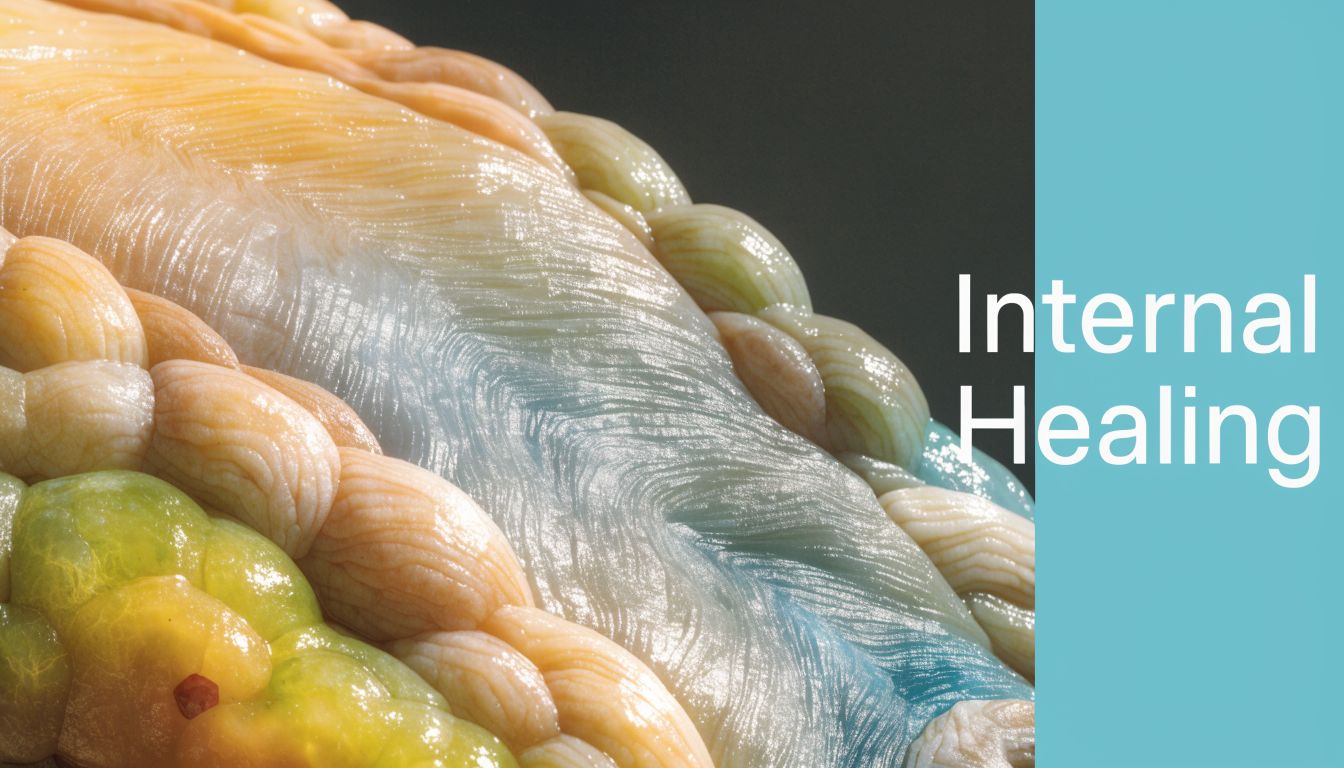
During a cesarean, multiple layers are involved, including skin, connective tissue, fascia, and the uterus. Those tissues don’t all recover at the same pace, and they don’t all regain mobility automatically. A scar can heal in a way that feels firm, stuck, tender, numb, or oddly hypersensitive.
A useful way to think about it is a snag in a sweater. One small pull doesn’t stay in one spot. It changes tension through the fabric around it. Scar restriction can do something similar through fascia and neighboring structures.
When tissue gliding is limited, the body often creates stability another way. It braces.
How scar restriction affects the pelvic floor
This is the piece many general scar guides miss. The abdominal wall and pelvic floor work together every day during breathing, lifting, coughing, walking, and returning to exercise. If the scar area is guarded or restricted, that system doesn’t coordinate as easily.
The connection between scar mobility and pelvic floor health is often overlooked, but it matters. Restricted scar tissue can contribute to muscle guarding in the abdominal wall and pelvic floor, which can perpetuate tension linked with dyspareunia and incontinence, and specialized scar work from a physical therapist can provide significant pain relief and functional improvement in as few as 1-2 visits, as described in this article on c-section scar massage and pelvic floor connection.
Clinical reality: A scar that feels “just numb” can still change how someone breathes, bears down, or recruits the lower abdominals.
Common downstream effects
You may notice the consequences as symptoms that don’t seem to belong to the scar at all.
| Symptom | Possible scar-related driver |
|---|---|
| Urinary leakage | Abdominal gripping and poor pressure management |
| Painful intercourse | Pelvic floor guarding and reduced tissue tolerance |
| Low back tension | Altered trunk mechanics and persistent bracing |
| Feeling weak through the core | Poor load transfer across the lower abdomen |
| A pulling sensation with reaching or twisting | Scar adhesions limiting tissue glide |
That doesn’t mean every pelvic floor symptom comes from the scar. It does mean the scar deserves attention when those symptoms are present.
What works and what doesn’t
Some approaches help the body adapt. Others just irritate tissue.
Helpful approaches usually include:
- Gentle progression that starts with tolerance, not force
- Consistent touch rather than occasional aggressive sessions
- Breathing and relaxation so the abdominals don’t tense against the work
- Professional assessment when symptoms extend beyond local tenderness
Less helpful approaches often include:
- Digging into the scar too early
- Treating numbness as something to ignore
- Assuming pain during massage means it’s working
- Only focusing on appearance while missing bladder, bowel, or sexual symptoms
If your scar feels stuck, your pelvic floor may be reacting to that restriction. If your pelvic floor is overworking, the scar may stay guarded. Treating one without considering the other often slows progress.
When and How to Safely Start Your Scar Massage
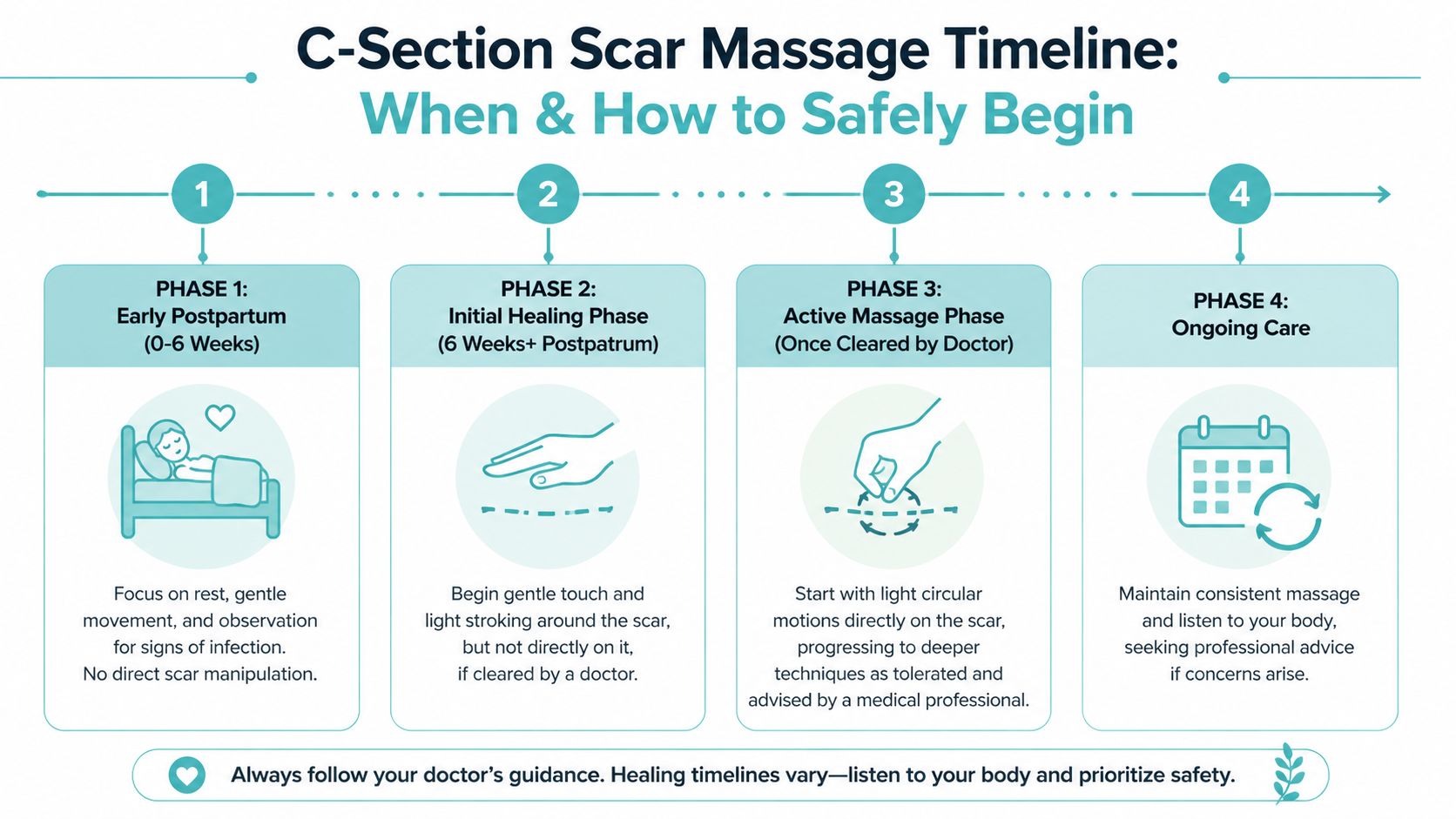
Timing matters. Starting too soon can irritate healing tissue. Waiting until everything feels “normal” can leave you stuck in a pattern of avoidance. The safest middle ground is to begin in phases, based on healing status, not impatience.
Clinical evidence supports beginning scar massage around 6-8 weeks postpartum, once the scar is fully closed with no scabs or drainage. A 2022 study found that just two sessions of soft tissue mobilization significantly reduced scar stiffness by a clinically relevant 16.05 N/m, while also decreasing tissue tone and hypersensitivity, as reported in this study on post-cesarean soft tissue mobilization.
Early postpartum and what not to do
In the first postpartum phase, the incision itself is a no-touch zone. Your job is not to mobilize the scar. Your job is to protect healing, manage swelling, rest when you can, and watch for signs that need medical attention.
Focus on gentle things that support circulation and pressure management without stressing the incision:
- Diaphragmatic breathing to reduce upper abdominal gripping
- Short, easy walks as tolerated
- Log-rolling in bed to avoid repeated strain through the incision
- Observation for redness, drainage, opening, or increasing heat
If you feel pressure to “break up scar tissue” right away, ignore it. Early force doesn’t speed remodeling.
If the scar isn’t fully closed, scar massage is off the table.
The desensitization phase
Once your medical provider has cleared you and the incision is closed, you can begin with desensitization. This is especially helpful if the area feels numb, prickly, burning, or emotionally hard to approach.
Start around the scar, not directly over it. Use very light contact. A cotton ball, soft washcloth, fingertip, or smooth fabric works well. Gently stroke above, below, and beside the scar while breathing normally and keeping the jaw, belly, and glutes relaxed.
Try this progression:
- Light touch around the area for brief sessions
- Different textures if one type of touch feels easy to tolerate
- Hover and rest contact if movement feels like too much at first
- Direct contact over the scar only when the surrounding tissue feels calmer
The goal here isn’t to stretch anything. It’s to lower threat and improve sensory tolerance.
Beginning direct scar work
Once direct touch feels okay and your provider has cleared you, you can progress to gentle skin-level movement. This is the point where many women benefit from guidance, especially if the scar feels thick, raised, very sensitive, or tethered.
Practical rules matter more than intensity:
| Good sign | Caution sign |
|---|---|
| Mild tugging | Sharp pain |
| Temporary awareness | Increased redness afterward |
| Tissue softening with repetition | Swelling or heat |
| Better tolerance over time | Bleeding or any reopening |
You don’t need to do everything at once. A few intentional minutes is enough when the technique is appropriate.
Some women do well with self-massage alone. Others need more targeted support for adhesions, persistent numbness, or pelvic floor symptoms. If you want a clearer picture of what professional treatment can involve, cesarean scar treatment can include assessment of mobility, tenderness, and related core or pelvic floor dysfunction.
How to set yourself up safely
A simple setup works best:
- Position yourself reclined with knees bent or supported
- Use a neutral lotion or oil only if the skin is fully healed and dry friction feels uncomfortable
- Breathe normally through the session
- Keep pressure light at first and build only if the tissue accepts it well
Skip massage and contact your provider if you notice drainage, a change in the incision, increasing heat, or pain that feels distinctly wrong.
Your Step-by-Step Guide to Scar Massage Techniques
Technique matters, but so does mindset. The best scar work is calm, specific, and repeatable. You’re not trying to overpower tissue. You’re trying to restore movement between layers and improve your nervous system’s tolerance of touch.
Start with clean hands and a comfortable position. A reclined posture with pillows under the knees usually helps the lower abdomen relax.

First check how the scar moves
Before you massage, assess. Place one or two fingertips lightly on the scar or nearby skin and see whether the tissue moves in different directions. Try gently gliding the skin up, down, side to side, and diagonally.
You’re not looking for perfection. You’re noticing where the tissue feels easy and where it feels blocked.
Ask yourself:
- Does one side move less than the other
- Is there a spot that feels sharp, glued down, or extra numb
- Do I brace my abs as soon as I touch this area
- Does the tissue move on the surface but not in deeper layers
That quick check tells you where to spend more time.
Circular skin mobilization
This is often the best starting technique once direct touch is comfortable.
Place one or two fingers over part of the scar. Move the skin in tiny circles. Keep the circles small enough that you’re moving skin and superficial tissue, not sliding across the top like lotion application. Pressure should be firm enough to create movement, but not painful.
Try a few circles in one spot, then move to the next section. If one area feels more restricted, stay there a bit longer while keeping the rest of your body soft.
This is a good everyday technique because it’s simple and easy to dose.
Side-to-side and up-and-down glides
Some scars tolerate directional gliding better than circles. Place your fingertips on or just above the scar and gently move the tissue left and right. Then repeat up and down.
This helps identify directional stiffness. A scar may move well horizontally but resist vertical glide, or the opposite.
Use this when:
- One section feels tethered in a particular direction
- Reaching overhead creates a pulling sensation
- You want to compare mobility from one end of the scar to the other
Sustained pressure holds
If a spot feels especially dense or guarded, a slow hold can work better than repeated rubbing.
Place a fingertip over the restricted point and apply gentle, sustained pressure into the tissue. Hold until the tissue softens slightly or your body stops resisting. Keep breathing. Then release and reassess.
This often works well for women who tense up with movement-based massage. The stillness gives the nervous system time to settle.
Practical rule: If you catch yourself clenching your glutes, holding your breath, or curling away from your own hand, the pressure is too much.
Lifting and skin rolling
Once the superficial scar moves better, you can begin lifting techniques. Gently pick up the tissue between your fingers and thumb if the scar allows it. At first, this may feel like barely lifting the skin at all.
As tolerance improves, you can progress to a gentle skin roll across and around the scar. This is useful when the tissue feels bound down to deeper layers or when there’s a shelf-like ridge above the incision.
Be careful here. This technique should create a sense of stretch or pulling, not stabbing or burning.
Good form includes:
- Small lifts, not big pinches
- Slow movement, not fast rolling
- Relaxed breathing, not bracing through discomfort
Cross-friction and directional work
When a scar is mature and less reactive, more specific mobilization can help. One evidence-based protocol used targeted pressure at a rate of 1 Hz for about 2 minutes per point along the scar, totaling about 10 minutes per session, and this approach reduced stiffness by 15-20% and increased elasticity by 10-15%, according to this standardized clinical protocol for C-section scar mobilization.
That matters for home care because rhythm and consistency seem to matter more than force.
To apply this idea practically:
- Pick a specific point on the scar.
- Apply targeted pressure straight into the tissue.
- Add a gentle rhythmic movement that is steady and consistent.
- Stay there for a short, focused interval.
- Move to the next point rather than constantly wandering across the whole area.
Here’s a visual demonstration that can help you picture hand placement and pacing:
How to choose the right technique on a given day
Not every scar needs every method every session. Match the technique to the problem in front of you.
| If the scar feels | Try |
|---|---|
| Numb or hard to approach | Light touch and desensitization |
| Tight on the surface | Circles and directional glides |
| Bound down in one spot | Sustained pressure holds |
| Thick or shelf-like | Lifting and gentle skin rolling |
| Stiff but not very sensitive | Rhythmic point-by-point mobilization |
What should it feel like
You want productive sensation, not pain. Good scar work may feel like pulling, pressure, mild tenderness, warmth, or gradual softening. It shouldn’t cause sharp pain, prolonged flaring, or dread before the next session.
Keep sessions short enough that you can stay relaxed. Consistency beats intensity. Most women do better with regular, moderate input than occasional deep work.
Enhancing Your Recovery and Knowing When to See a PT
Scar massage works better when it’s part of a bigger recovery plan. Tissue quality, nervous system tolerance, movement, pressure management, and pelvic floor function all influence how the scar behaves.
That’s why some scars respond quickly to self-treatment and others don’t. If the problem is mostly surface stiffness, home work may be enough. If the scar is tied into deeper adhesions, abdominal bracing, or pelvic floor overactivity, you may need more than your own hands can provide.
Helpful add-ons at home
Self-care tools can support the process when used appropriately.
Some women like:
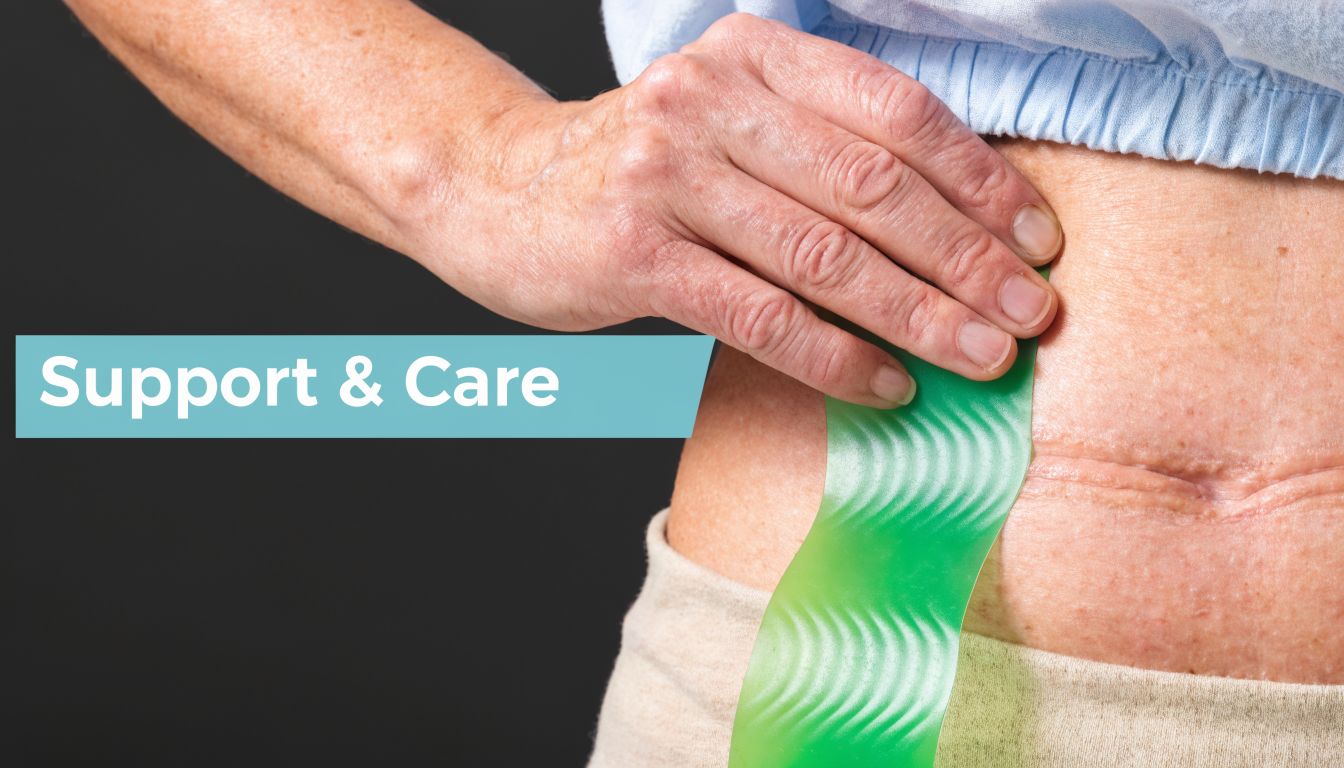
- Silicone scar sheets or gels for hydration and appearance support
- Neutral oils or lotions to reduce drag during massage
- Warmth before mobility work if the tissue feels guarded
- Mirror feedback if reconnecting with the scar feels emotionally easier when you can see what you’re touching
If your goal includes appearance changes, broader surgical scar information can be useful too. This guide on reducing visible scars gives a cosmetic perspective that can complement function-focused rehab.
What to expect and when to pause
Many women want a firm timeline. Real healing doesn’t always cooperate with that. Some changes happen quickly, especially in sensitivity and body awareness. Numbness, tethering, and shelfing can take longer and may need more directed treatment.
Stop and seek medical input if you notice:
- Any reopening of the incision
- Drainage, heat, or spreading redness
- Sudden swelling
- Sharp or escalating pain
- Symptoms that feel systemic or unwell
A scar can be stubborn without being dangerous. But dangerous signs should not be massaged through.
Ongoing discomfort isn’t something you have to simply accept because you had a C-section.
Signs it’s time for pelvic floor physical therapy
A women’s health PT looks at more than the line of the scar. We look at how it relates to the abdominal wall, breath, pelvic floor, posture, and movement strategies.
A consult is worth considering if you have:
- Persistent pulling or pain despite consistent self-massage
- A shelf or ledge that doesn’t soften
- Ongoing numbness or hypersensitivity
- Urinary leakage, pressure, or prolapse symptoms
- Pain with intercourse
- Back or abdominal pain that seems linked to the incision area
- Fear of touching or loading the area
For scars that don’t respond to self-massage, physical therapists can use a multi-modal approach that may include manual manipulation, cupping, and dry needling for deep adhesions. In one advanced protocol, this type of care led to 70-85% improvement across patient-reported measures of pain, stiffness, and elasticity, according to this study on multi-modal manual scar therapy.
That doesn’t mean everyone needs advanced treatment. It means there are options when basic scar massage isn’t enough.
If deeper restriction or tethering sounds familiar, c-section adhesions are often part of the picture and can be assessed as part of pelvic floor and abdominal rehab.
Where clinic-based care fits
Professional treatment can include manual scar mobilization, desensitization, breath retraining, core coordination work, and pelvic floor downtraining or strengthening depending on what your body needs. In some settings, this may also include services such as Lake City Physical Therapy’s c-section pooch scar massage, which focuses on scar mobility and related abdominal dysfunction as one treatment option among broader postpartum rehab care.
Reconnecting With Your Body After a Cesarean
A c section scar can carry a lot. Physical symptoms, yes. But also a story. Sometimes that story is uplifting. Sometimes it’s complicated. Often it’s both.
Scar massage won’t erase the experience of surgery, and it doesn’t need to. What it can do is help the scar become less of a barrier between you and your body. Better mobility, less guarding, and improved pelvic floor function often begin with that simple shift from avoidance to contact.
Recovery is not only about how the scar looks
A flatter, softer scar may be welcome. But the bigger win is function. When the lower abdomen moves better, many women also move better. They breathe more freely, brace less, return to exercise with more confidence, and notice fewer symptoms that once felt unrelated.
If appearance concerns are part of your recovery too, there’s nothing shallow about that. Many women want both function and confidence. For a broader conversation about body image and post-birth options, Dr. Hiers' post-pregnancy aesthetic care offers another perspective.
Your scar deserves care, not neglect
The scar is not a flaw to hide or a badge you’re required to love every day. It’s healing tissue that benefits from attention, patience, and the right type of input. Consistent c section scar massage can help restore comfort and mobility, but it also does something quieter. It helps you feel at home in your own body again.
If the area still feels stuck, numb, painful, or disconnected, that doesn’t mean you’ve failed at recovery. It usually means you need more specific support. And if that lower-abdominal fullness bothers you during movement or clothing fit, c-section pooch can be part of a larger scar and core issue, not just a cosmetic one.
You don’t have to figure it out alone.
If you’re dealing with scar tightness, pelvic floor symptoms, painful sex, leaking, or a core that still doesn’t feel like yours, Lake City Physical Therapy offers women’s health physical therapy for postpartum recovery, scar mobility, and pelvic floor rehabilitation. A focused evaluation can help determine whether your scar is contributing to the symptoms you’re feeling and what kind of treatment makes sense next.